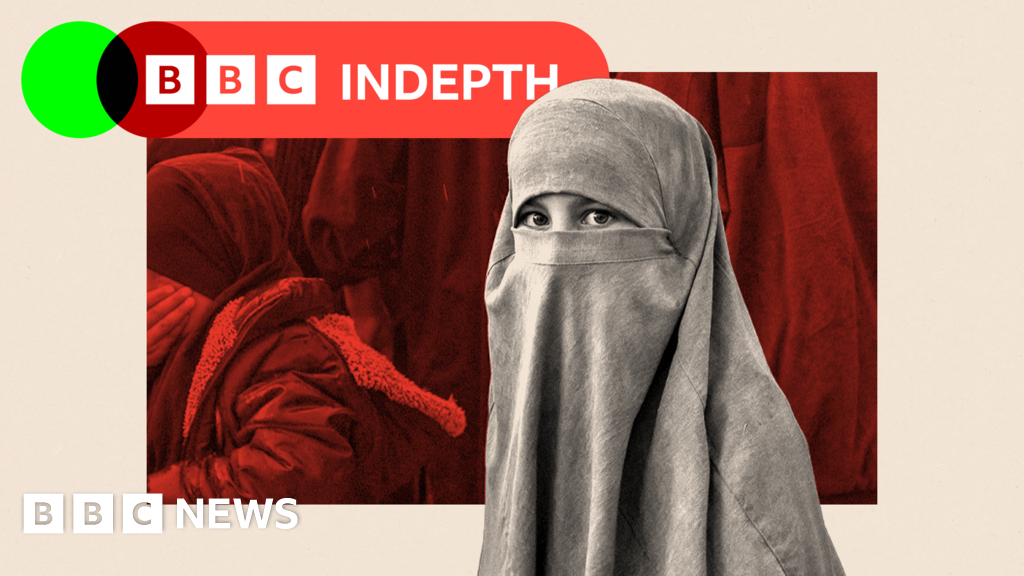

Lina Sinjab, the Middle East Correspondent for the BBC, waited anxiously at the Lebanese border on the morning of 8 December 2024, hoping to enter Syria as soon as the crossing opened, uncertain of what to expect.
Bashar al-Assad, who had been the president for 24 years, was no longer in power. Opposition fighters had made significant advances towards Damascus, capturing major cities like Aleppo. This sudden change meant that Syria was now free from the regime that had ruled under Assad and his father Hafez for over 50 years, a period marked by disappearances, incarceration, and a brutal civil war.
As a Syrian who had experienced the horrors of the Assad regime firsthand, Lina had been detained multiple times during the uprising in 2011 and witnessed the atrocities committed by security forces. She had left the country in 2013, believing she had lost her homeland forever. However, the swift overthrow of the dictatorship in just over a week allowed her to return to a liberated Syria without fear of persecution.
The scenes of celebration and freedom in Damascus’s Umayyad Square were a stark contrast to the repressive atmosphere that had prevailed under Assad. People openly discussed politics, and the future of Syria was debated openly in public spaces, a sight that would have been unimaginable before the regime fell.
Despite the progress made in gaining social freedoms in the months following Assad’s ousting, concerns arose regarding the future of democracy and the role of Islam in the new government. The newfound liberties were fragile, and some feared they might not last long.
The return of exiled intellectuals and artists to Syria symbolized a new era of freedom and creativity. Rawda Café, once a place of fear and repression, now hosted discussions and music, welcoming back prominent figures who had fled the country. Syrian journalist Mohammad Ghannam and philosopher Odai al-Zobi, who had faced persecution under Assad, returned with a sense of hope and determination to rebuild their country.
The vibrant arts and culture scene in Syria, long suppressed under the Assads, flourished after the regime’s fall. Books, films, and performances that had been banned were now accessible to the public, reflecting the resilience and creativity of the Syrian people.
As Syria embarked on a new chapter in its history, uncertainties remained about the future of social freedoms and artistic expression. Yet, amidst the challenges, there was optimism and a sense of possibility for a more open and inclusive society in post-Assad Syria. Lina Sinjab stated, “I believe the Syrians will not allow this regime to intrude into their personal lives, dictating rules on public behavior.”
A concentration of power
When Syrian President Ahmed al-Sharaa, who led the rebel offensive that ousted Assad, was appointed by a military council on January 29, he emphasized the need to “fill the power vacuum in a legitimate and legal manner.”
However, there are concerns about the prospects of establishing a sustainable democracy. The lack of accountability mechanisms for officials until a permanent constitution is in place and elections are held is troubling.
“The regime has been unwilling to share power and give space to other political and social forces in society in recent months,” argues Mr. Al-Atassi. “Without opening up the political arena to other forces, I doubt Sharaa can bring Syria back into the international community.”
In February, a national dialogue was held at the People’s Palace in Damascus to discuss Syria’s future. Some critics felt the meeting was rushed and did not cover all key topics adequately.
According to Abdulhay Sayed, a Syrian legal expert, the dialogue was not representative or truly reflective of consensus. He believes it was designed to create the appearance of wider agreement.
Sharaa, who previously led Hayat Tahrir al-Sham (HTS), has pledged to hold free and fair elections. He has established a committee to work on a constitutional declaration outlining Syria’s future during a five-year transitional period. However, the declaration did not include provisions for the separation of powers.
“He needs to demonstrate a greater commitment to political participation from all groups,” says Mr. Al-Atassi.
There have been some positive steps, such as the appointment of a Christian female minister and the head of the White Helmet civil defense group to key positions in the government. However, concerns have been raised about the appointment of Sharaa’s brother as head of presidential affairs.
Mr. Sayed points out that former HTS members now hold significant positions of power, raising questions about the inclusivity of the new government.
The Minister of Justice’s background in Sharia law has sparked concerns about the potential application of Islamic legal codes in place of civil ones. The preservation of judicial independence remains a major challenge.
Freedom of women and religion
Under Assad’s regime, women enjoyed relatively equal rights and representation in society. However, there are concerns about potential restrictions on women’s rights under the new government, particularly regarding Islamic law.
The interim government has only appointed one woman, raising concerns among women’s rights advocates about the enforcement of strict interpretations of Islamic law by HTS.
Concerns have also been raised about potential religious restrictions, with reports of attempts to enforce Islamic rules in public spaces. Some observers fear a shift towards stricter religious values under the new authorities. Lina Sinjab “Ini merupakan tantangan mendalam bagi mereka yang masih percaya pada demokrasi, supremasi hukum, dan kewarganegaraan yang sama.”
Namun Husam Jazmati, seorang akademisi Suriah yang meneliti gerakan Islam di organisasi penelitian masyarakat sipil Impact, mengklaim bahwa Sharaa “menentang gerakan politik Islamis maupun non-Islamis [dan] tidak ingin mendirikan negara Islam maupun percaya itu mungkin.
“Mereka tidak ingin, dan mereka tidak bisa”.
Meskipun pemerintah ingin menerapkan praktik garis keras, pertanyaannya adalah apakah mereka bisa melakukannya? Alaa El Din Al Sayyek, seorang imam yang berbasis di Damaskus, berpendapat sebaliknya. Dia berpendapat bahwa warga Suriah akan menolak upaya tersebut.
“Ini tidak mungkin, masyarakat kami tidak akan menerimanya,” katanya. “Kami telah hidup dalam harmoni dengan berbagai aliran selama bertahun-tahun bahkan selama masa sulit. Al Quran menyatakan dengan jelas: tidak ada paksaan dalam agama.”
Visi Bersaing untuk Masa Depan
Hari ini ada ketegangan yang semakin meningkat: kekerasan di kota-kota pantai telah menyebabkan lebih dari 1.400 orang tewas, banyak di antaranya Alawit (bagian dari sekte minoritas Assad). Mereka dikatakan sebagai balas dendam atas serangan terhadap pasukan keamanan Suriah.
Di tempat lain, di timur laut negara itu, meskipun Pasukan Demokratik Suriah yang dipimpin oleh Kurdi (SDF) menyatakan kemenangan atas IS pada tahun 2019, kamp-kamp masih menampung sekitar 56.000 orang, banyak di antaranya anggota keluarga tersangka kelompok Negara Islam (IS), lebih dari lima tahun setelah kekalahan wilayah mereka di Suriah.
Pertanyaan utama yang dihadapi negara saat ini adalah bagaimana warga Suriah melihat masa depan mereka. Ada ketegangan seputar hal ini, yang telah merambah ke dalam hubungan antara pimpinan dan HTS, menurut Bapak Jazmati.
Dia mengklaim bahwa sementara lingkaran teratas Sharaa ingin membangun “negara konservatif, ekonomi liberal”, “mereka tidak bisa menghentikan banyak anggota mereka – orang-orang yang mereka tunjuk dalam berbagai posisi dan mereka andalkan karena mereka dipercayai – dari mencoba mengislamkan kehidupan publik di Suriah.”
Kelompok pemikir International Crisis Group memiliki kekhawatiran serupa. Mereka mengatakan bahwa mereka percaya Suriah hidup “dengan waktu pinjaman”.
“Pemerintahan sementara kehabisan dana, kekuatan keamanan terlalu diperpanjang, kemiskinan semakin dalam, dan pemberontakan sedang berkembang di pinggiran. Pihak luar sedang mencampuri. Sanksi dari Barat menghalangi pemimpin mendapatkan apa yang mereka butuhkan untuk membangun kembali, sambil mencegah fragmentasi atau kembalinya perang saudara.”
Getty Images
Sejumlah kegembiraan meluas di seluruh Suriah pada Desember 2024 – sebuah patung presiden terdahulu Hafez al-Assad yang terguling
Bagi Bapak Al-Atassi, solusinya sederhana: Dia percaya Sharaa perlu membuka ruang politik. “Hari ini tidak ada pemilihan di Suriah, hanya ada penunjukan,” katanya. “Ini sangat berbahaya.”
Dengan jeda, dia menambahkan: “Bisa jadi bahwa sebuah rezim baru sedang dibentuk – tapi saya tidak percaya bahwa rakyat Suriah siap, setelah lima dekade, menerima rezim baru.”
Dan mengenai prospek demokrasi yang abadi? “Kita harus menunggu dan lihat,” katanya. “Tapi saya sama sekali tidak optimis.”
Namun ada isu yang lebih luas juga. Yaitu, apakah bisa terjadi kehilangan kepercayaan yang lebih luas terhadap gagasan demokrasi mengingat sejarah terkini negara ini?
Bapak Sayed berpikir begitu. “Meskipun konstitusi era Assad secara formal menjamin kebebasan politik… pengalaman modernitas politik kita datang dalam bentuk peluru yang jatuh di atas kepala kita, sementara tubuh kita terbujur di kamp tahanan,” katanya.
“Segmen besar populasi Suriah telah kehilangan kepercayaan pada janji-janji modernitas politik.”
Dari banyak tantangan yang dihadapi kepemimpinan baru, mungkin ini yang sebaiknya mereka pertimbangkan terlebih dahulu saat mereka terus mengukir jalan baru untuk masa depan Suriah.
Kredit gambar teratas: Getty Images
BBC InDepth adalah rumah di situs web dan aplikasi untuk analisis terbaik, dengan perspektif segar yang menantang asumsi dan laporan mendalam tentang isu-isu terbesar pada hari ini. Dan kami memamerkan konten yang memancing pemikiran dari berbagai BBC Sounds dan iPlayer juga. Anda dapat mengirimkan umpan balik Anda tentang bagian InDepth dengan mengklik tombol di bawah ini.
Lina Sinjab is